
If you run a roofing, plumbing, lawn, pool, medical, or HVAC company, you already know the scenario: the phone rings while you are on a ladder, with a customer, or driving between jobs. You call back an hour later, and the homeowner may have already booked the next company on Google.
That is not a people problem. It is a systems problem, and it is the exact gap we built Buzz Leads and HiveFlow CRM (our customer relationship management system) to solve.
Never let another call go to voicemail silence
Book a call, dial our test line from your cell, and watch the text-back arrive before we finish saying hello. Answered calls become booked jobs.
Let the Buzz BeginQuick answer: Missed call text-back is an automation that texts anyone whose call went unanswered, from your business number, within 60 seconds. It matters because a caller who reaches voicemail can easily call the next business instead.
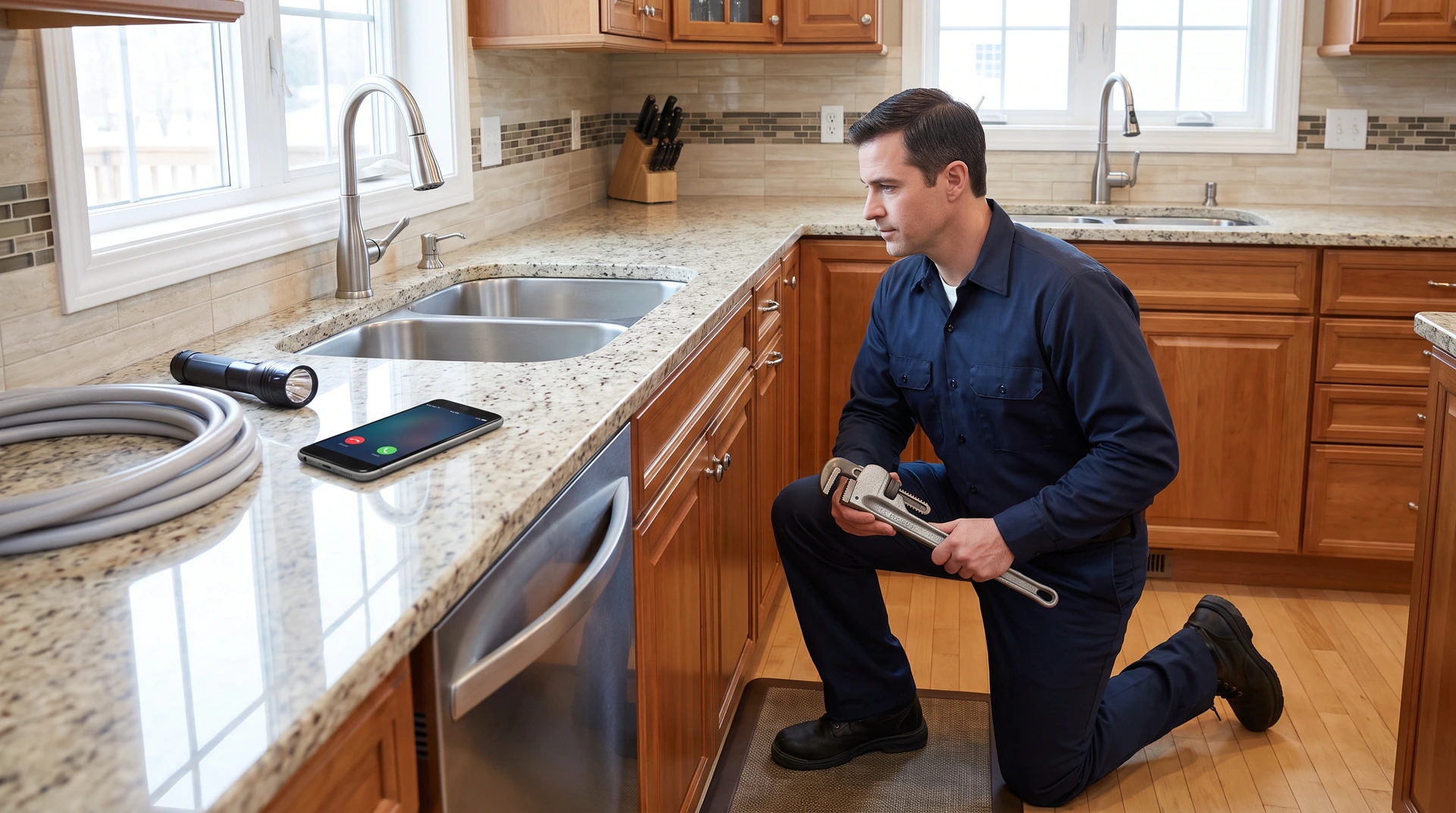
What is missed call text-back and how does it work?
When a call goes unanswered, Buzz Leads texts the caller from your business number within 60 seconds: “Sorry we missed you, we are on a job right now. How can we help?” The caller replies by text, the conversation lands in your unified inbox, and you pick it up between jobs. As we break down in Speed to Lead, a fast reply gives callers a reason not to dial the next competitor on the map.
The mechanics matter less than the shift in posture: instead of waiting for the caller to leave a voicemail, you reach out first. The business that texts first looks organized before a single word about the actual job has been exchanged.
If you are adding chat to your website too, here is how to test an AI booking agent before you buy.
What does a missed call actually cost?
Take a normal week. Count the calls that went to voicemail. Multiply by the share of callers who would have booked if someone had answered, then multiply by your average ticket. Here is an illustrative example using sample numbers so you can plug in your own:
- 8 missed calls a week
- 1 in 4 callers would have booked
- $450 average job ticket
- That equals 2 lost jobs a week, or about $47,000 a year in missed work
Run the same math on your own numbers and the result is usually uncomfortable. A $4,500 average ticket (roof repairs, remodels, med spa packages) turns the same eight missed calls into a six-figure annual leak. The leak is invisible precisely because nothing appears in any report: no lost-deal entry, no bad review, just a phone that rang.
One honest caveat: the internet is full of missed-call statistics that do not survive a source check, including some famous percentages that trace back to one small decade-old study. Published missed-call rates vary widely by industry and by how a “missed” call is even counted. The most reliable number is your own, which is why the week-long count above beats any benchmark.
Why don’t callers just leave a voicemail or call back?
Because they have alternatives one tap away. Some callers will not leave a voicemail and simply try another business, which means those missed calls leave no trace. Silence in your voicemail box does not necessarily mean demand was low.
Think about your own behavior ordering dinner or booking a haircut: an unanswered ring does not trigger patience, it triggers the back button. Your customers are no different when the stakes are a $450 repair.
When do the most expensive misses happen?
Not all missed calls cost the same. Three windows deserve special attention:
- Peak hours, single-person office: You miss calls because you are already on one. These callers are phoning during business hours with a need right now, and the busiest weeks (storm season, first heat wave) are when the phone is most likely to ring while you are already busy.
- After hours: Some calls come in the evening, when homeowners are home looking at the problem. Businesses with no after-hours response hand that entire window to whoever answers or texts back first.
- Weekends: A Saturday miss that waits until Monday gives the caller two days to find someone else.

What should the first text say?
The job of the first text is to hold attention, sound human, and move the conversation forward with one question. Three scripts to adapt:
- The service call: “Sorry we missed you, we are on a job right now. What can we help with? If it is urgent, reply URGENT and we will call you back first.”
- The quote request: “Hi, you just called [business name]. We are with a customer. Want to text us the address and a photo of the issue? We will get you a ballpark today.”
- The after-hours call: “Thanks for calling [business name]. We are closed until 8am, but reply here and you are first on tomorrow’s callback list.”
Each one acknowledges the miss, sets an expectation, and gives the caller something easier than waiting on hold or redialing your competitor. The photo request in the second script does double duty: it qualifies the job and invests the caller in your thread.
What happens after the first text?
The first text buys minutes, not the job. The follow-through lives in the same system: the thread lands in the HiveFlow unified inbox next to your calls and Facebook messages, the lead drops into your pipeline so it cannot be forgotten, and if the caller goes quiet, a polite nudge goes out the next morning. Speed wins the open; the pipeline wins the close.
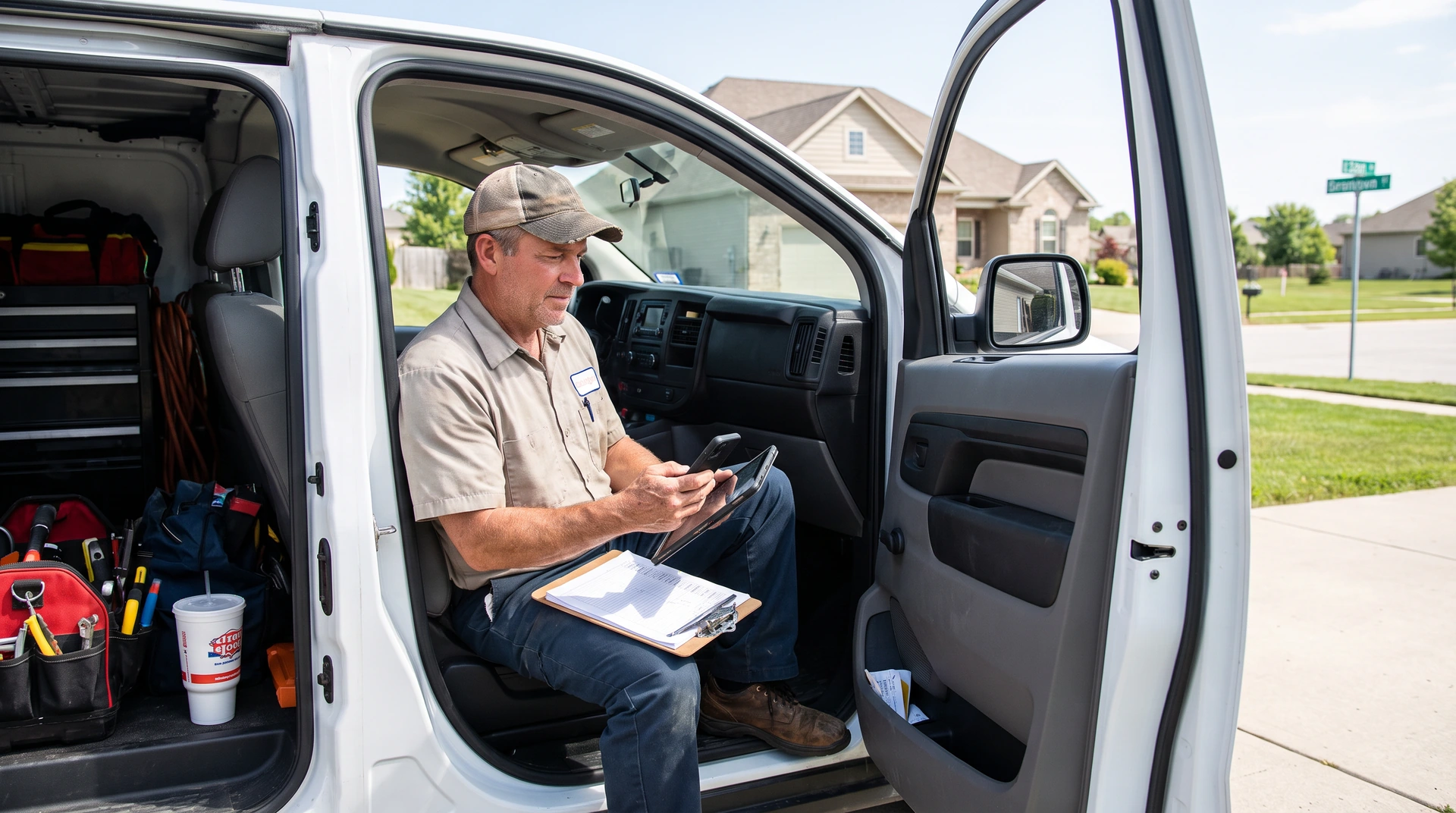
If you would rather have calls answered live, compare answering options before you choose.
How does text-back pair with reviews and the Map Pack?
Answering every lead works best when your Local Visibility system is bringing in steady calls from Google Maps. After every finished job, our system can send an automated review request. Read our Google Business Profile optimization checklist to see how reviews and categories fit Google’s local ranking factors.
Frequently asked questions about missed call text-back
Does missed call text-back work with my existing business number?
Yes. Your number stays the same. The system watches for unanswered calls and sends the text from the same business line your customers already know, so the thread looks like it came from you, because it did.
What about spam calls and robocalls?
A text that goes to a robocaller costs very little. The occasional wasted text is a far cheaper problem than a real customer who got silence.
Is texting customers back compliant?
Texting back someone who just called you is common, but consent rules for business texting vary. Include a STOP opt-out in every thread, register your number with the carriers through your texting provider, and have your messaging terms reviewed by your attorney.
The wireless industry’s Messaging Principles and Best Practices describe how consent expectations differ by message type.
How fast does the text actually send?
Within 60 seconds of the missed call, which is the whole point. The caller may still be holding the phone when your text arrives.
Final thoughts on missed call text-back
You cannot answer every call, and you should not have to. What you can do is make sure no caller meets silence. Book a call with one of our hive specialists today and watch the missed-call text-back land on your own phone while we talk.